Skip to content
Chanakya

Indian tax and customs law, cited at the source.

Two experts connected into Claude and ChatGPT: the customs of India and its tax law. Method first, the statute at its date, the notification beside the schedule, the circular with its weight stated — and the citation served with every answer. Not a search engine: a reasoning that holds its conclusion, as the text stood at the date.

Open connectors · no account needed today · works in Claude and ChatGPT.

The Custom House Ghat at Calcutta, ships and casks on the strand at low tide — photograph, c. 1860s

What the record holds

  • Customs Tariff of India 147,903 tariff keys — eight-digit lines and their yearly vintages
  • Preferential rates 71,885 entries across 19 trade agreements, matched at the interval
  • Statutes, section by section 12,220 sections and rules — both Income-tax Acts, 1961 and 2025
  • Notifications & circulars 13,752 with their life-chain — amended and superseded say so
  • The double rate statutory schedule and effective notification, side by side, named
  • Tax treaties 99 DTAAs, article by article
  • Judgments, full text 183,796 — Supreme Court, High Courts, CESTAT and ITAT
  • Remedies & per-line flags 1,848 trade-remedy measures; import policy and GST on 10,952 lines

The two seals

One connector per domain, and inside each: far more than the documentation — the trade’s method and the technical craft that applies it. Every answer cites its sources, to the line and to the section.

Shipping in the Hooghly at Calcutta, steamers and country boats along the bank — 19th-century photograph

Chanakya Customs

Indian customs from the eight-digit line to the tribunal: classification, valuation, origin, the duty stack — statutory and effective — and the defence.

  • The Customs Tariff at eight digits with its yearly vintages — and the double reading served on every line: the First Schedule rate beside the effective notification, each named and dated.
  • 19 trade agreements — 71,885 preferential entries matched at the interval, with the notification that carries each rate; and the export side: 344,663 partner-tariff couples faced by Indian goods.
  • Customs Act 1962 and the Tariff Act section by section; 8,540 notifications and circulars with their life-chain — superseded texts say so; 464 advance rulings.
  • Trade remedies by line and origin — 1,848 anti-dumping, countervailing and safeguard measures; import policy and GST flags on 10,952 lines; drawback on 8,100; customs exchange rates, dated.

And it drafts: the duty computation layer by layer (BCD, AIDC, SWS, IGST, cess), the reply to a show-cause notice, the appeal, the provisional-release request, the bill-of-entry checklist.

8517 13 00 Customs Act 1962, s. 110

Open connector · works in Claude and ChatGPT.

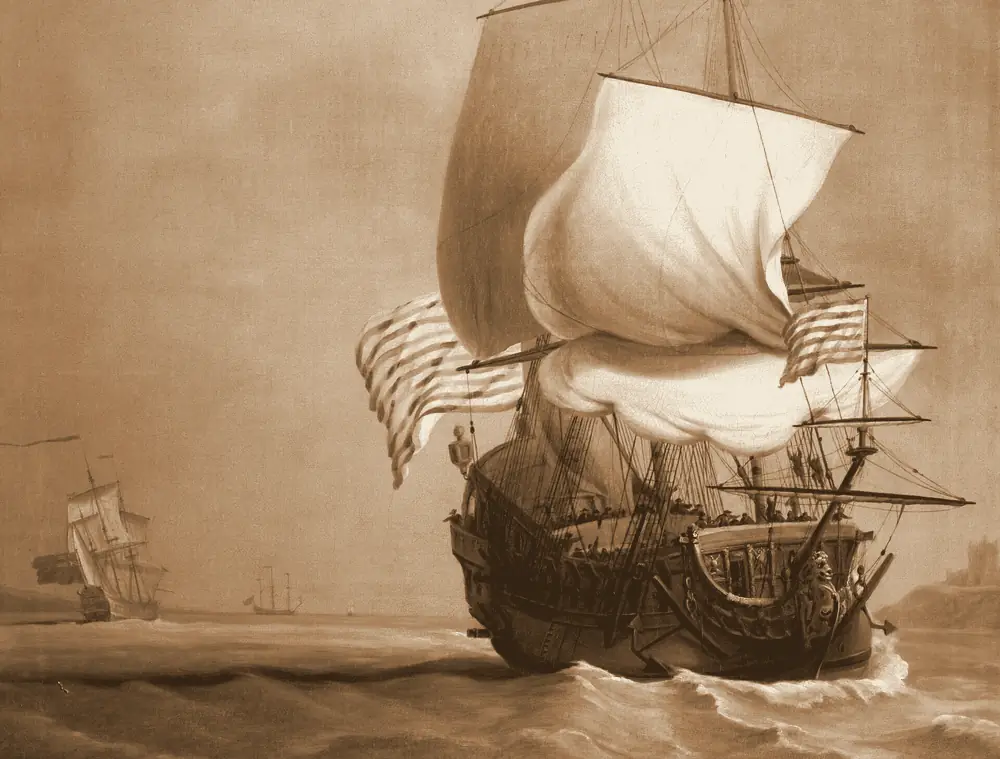
An English East Indiaman under sail — oil painting, National Maritime Museum

Chanakya Tax & Law

Both Income-tax Acts served at their date — 1961 and 2025 side by side — the treaties article by article, the tribunals in full text.

  • The Income-tax Act 1961 (883 sections) and the Income-tax Act 2025 (524 sections), in force from 1 April 2026 — every practitioner works with both, and the date of the taxable event picks the text.
  • 99 double-taxation agreements, article by article — residence, PE, dividends, royalties, the credit method as written.
  • The GST family and the annexed statutes — companies, criminal procedure, evidence — read section by section; 5,212 CBDT and CBIC notifications and circulars with their life-chain.
  • 151,120 judgments in full text — ITAT, the High Courts and the Supreme Court, weighted by court.

And it drafts: the computation from the text at the year, the reply to a section 148A notice, the assessment response, the grounds of appeal, the stay application.

ITA 1961, s. 149 DTAA India–Germany, art. 10

Open connector · works in Claude and ChatGPT.

The method, by the treatise

Chanakya keeps a counsel’s ledger: every figure has its line, every line has its source, and the date commands the version. Procedures, deadlines and technical craft ride inside the connector — and the order of time is real.

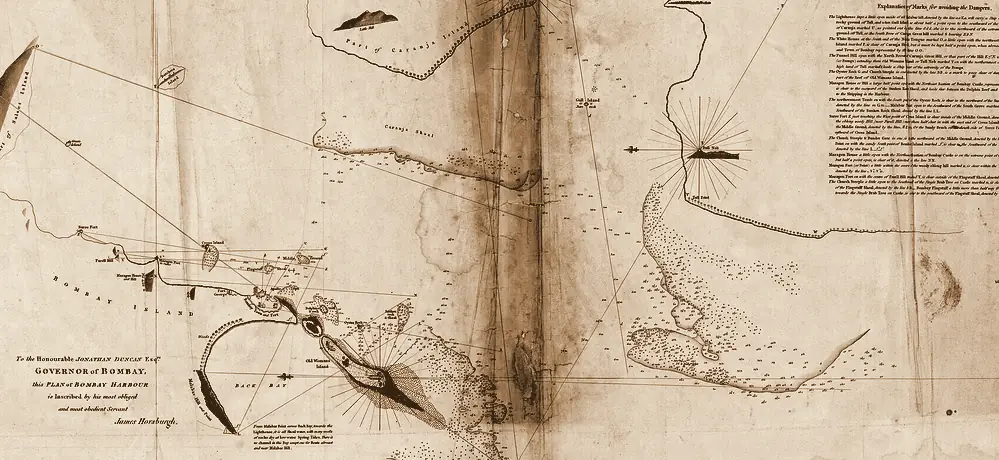
A plan of Bombay Harbour by James Horsburgh (1806) — soundings, banks and anchorages, drawn to be trusted
Sounding after sounding, the chart carries the channel — the landing: the source.
  1. Connect

    One click from the connect page — Claude web, desktop and mobile; ChatGPT through the same address. The connectors are open: no account needed today.

  2. Ask, dated

    Put the question and state the date of the taxable event: the bill-of-entry date, the assessment year. The version served is the one that date commands — and the answer says which.

  3. Verify the citation

    The answer cites the tariff line, the section, the notification with its number and date, the judgment — verifiable line by line at the official source.

The connectors work with Claude and ChatGPT; recommended models: Claude Opus 5 or GPT-5.6 Sol (or newer) — errors here are paid in assessments.

From memory, or on the record

The same question, two answers: the one resting on a model’s recollection, and the one that goes back to the text.

From memory

“Smartphones attract somewhere around 15–20 % customs duty in India, plus GST; there may be exemptions for some components, and the rules change with every budget.”

Unverifiable

On the record

“ITC(HS) 8517 13 00 — smartphones: First Schedule standard rate 20 %, tariff edition as dated. The schedule is half the answer: the effective rate lives in notification No. 50/2017-Customs as amended, entry-matched to the line — and IGST under section 3(7) of the Tariff Act applies on the landed base. Both rates served, named and dated.”

  • Customs Tariff of India, First Schedule — 8517 13 00, as dated
  • Notification No. 50/2017-Customs, as amended — entry-matched
  • Customs Tariff Act 1975, s. 3(7) — IGST on imports

The exhibit

A practitioner’s question, the answer in brief, and the citations that let you verify.

“DRI seized my client’s consignment three weeks ago — what clocks are running?”

The show-cause notice must issue within SIX MONTHS of the seizure — extendable by six more, but only by the senior officer recording reasons and informing the person before expiry; otherwise the goods return as of right. Provisional release runs as a separate track, on bond and security, without waiting for the notice. Both clocks, in parallel, dated from the seizure.

Citations Customs Act 1962, s. 110(2) s. 110A s. 124(a)

“The Department wants to reopen AY 2021-22 — years after the assessment. Can they?”

Only through the section 148A gate: the inquiry notice, the assessee’s reply, and a reasoned order before any reassessment notice issues. The time limits run by amount: three years from the end of the assessment year ordinarily — beyond, only where the income escaping is fifty lakh rupees or more, up to ten. The 2025 Act renumbers this machinery: the date of the notice picks the text, and the answer says which.

Citations ITA 1961, s. 148A s. 149(1) ITA 2025 — renumbered

Every desk has its questions

Two fronts, six trades: what the professionals hand to the counsel, and the first question they ask.

At the customs desk

Customs brokers and forwarders. You hand it classification, valuation and origin — and the bill of entry with its checks, sourced. “Which tariff line for a modular LED assembly with integrated driver?”

Importers and exporters. You hand it the landed-cost estimate before the purchase order: the line, the stack — statutory and effective — licences, flags. “What must be in place before we import this radio equipment?”

Customs counsel. You hand it the substance of the law — and the pieces, from the seizure memo to the tribunal bundle. “The notice invokes section 28(4) — answer the extended-period allegation point by point.”

At the tax desk

Chartered accountants. You hand it the computation from the text — income tax, TDS, capital gains, the GST side. “Capital gains on an unlisted-share transfer by a non-resident: rate, base, and the treaty cap?”

Tax counsel. You hand it the exact vintage and the procedure, from the 148A notice to the tribunal. “This reassessment covers AY 2020-21 — give me the section as it stood that year.”

Finance directors. You hand it the treaties and the cross-border — withholding under section 195, PE risk, transfer pricing. “Does the India–Netherlands DTAA cap the withholding on these royalties?”

The limits, stated plainly

  • Chanakya is a documentary research aid: it is not legal or tax advice, and an instructed professional decides.
  • Texts serve with their status and their date: the applicable version is judged at the date of the taxable event — and where an enacted amendment awaits consolidation, the answer says so.
  • Departmental circulars and instructions bind the administration, never the courts — and every answer labels them as such.
  • The service is used within Claude or ChatGPT — recommended models: Claude Opus 5 or GPT-5.6 Sol (or newer); a Claude or ChatGPT subscription is theirs, not ours.

For the full frame: frequently asked questions and terms.

Three questions, before you connect

Where do the texts come from?

From the official record carried in the legend: the Customs Tariff and the CBIC’s published notifications, circulars and instructions; India Code and the Gazette for the statutes; the DGFT’s policy schedules; the courts’ and tribunals’ own published records for the judgments, held in full text. Every answer returns the exact citation — number, date, section — for verification at the source.

How do I connect?

From the connect page: copy the connector’s address into Claude (web, desktop or mobile) or ChatGPT — one connector for customs, one for tax. The connectors are open: no account is needed today.

Is this legal advice?

No: a sourced research aid. The professional verifies the citation, weighs the situation and decides.

All frequently asked questions

Ready to stop guessing?

Open the counsel’s ledger: test it on a real matter, today.

Open connectors · no account needed today · works in Claude and ChatGPT.